
How to grow nigella IN AUSTRALIA
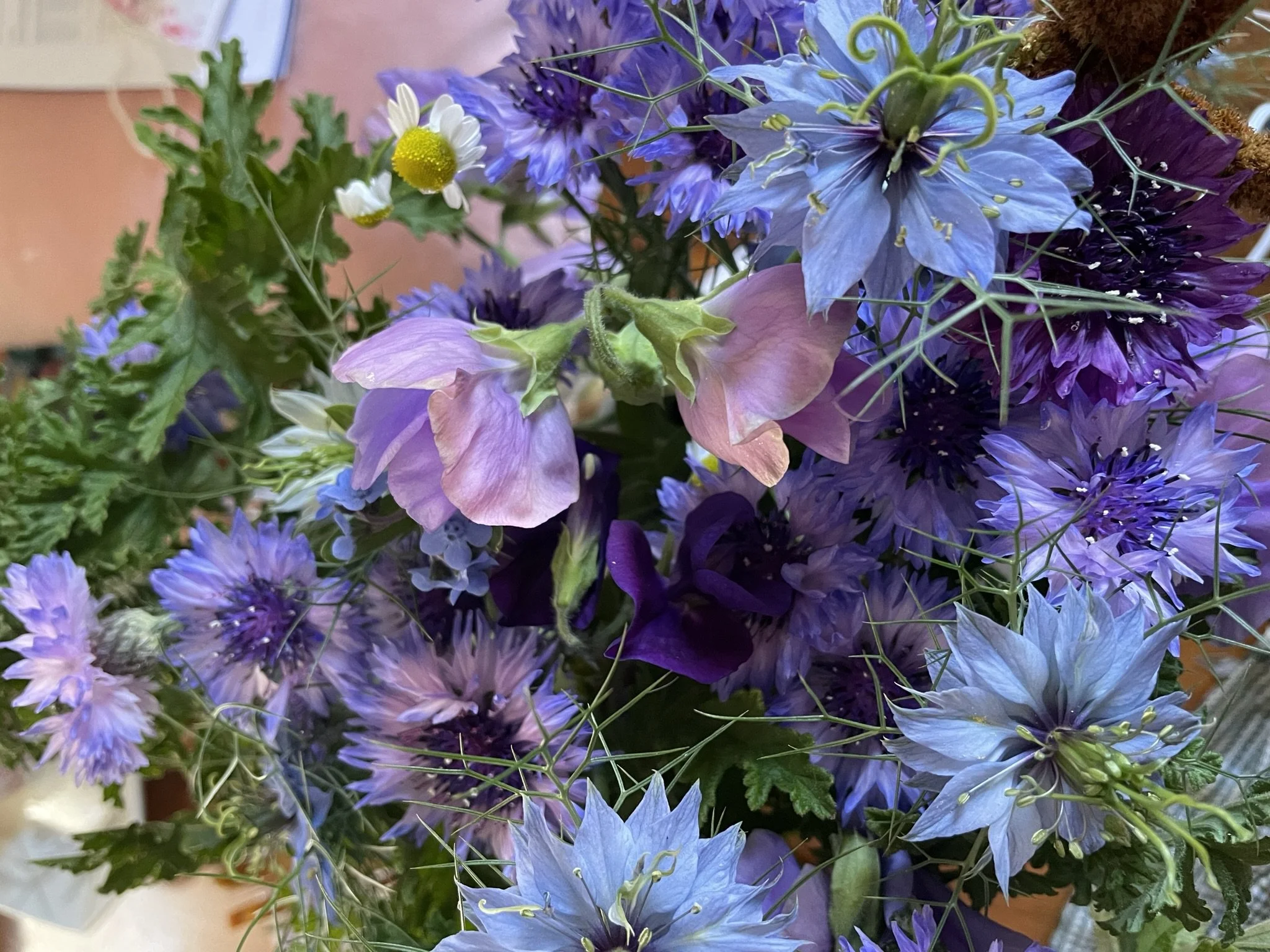
Fairies of the flower garden, Nigella is a great choice for Australian beginners who want to give growing flowers from seed a go.
Quick to germinate, best planted in place (not seed raised) and not fussy about poor or sandy soil, Nigella - aka Love-In-A-Mist - is also a match made in heaven for the Australian climate. Full sun is non-negotiable, minimum five hours a day. She'll tolerate a little afternoon shade in the hotter parts of the country but give her as much light as you can.
And autumn is the absolute best time to plant in all Australian climates. Brisbane, Launceston, Perth - if you live in Australia, early autumn is your time. Like other hardy annuals, Nigella sown in autumn will germinate, and start growing whilst the last of the warm weather (and warm soil) is still here. Over winter, she will bulk up her roots, turning her into a powerhouse of floral joy in spring.
Sow seed direct (ie don’t seed raise) outside in a large pot or in the ground in a place that gets lots of direct sun - minimum 5 hours. Sow in drills and thin out after first set of true leaves appear to about 15-20cm. Although Nigella will do okay in light frost, she may struggle over winter in very cold Australian climates. In those areas (alpine or anywhere with extended frosty periods) she may do better sown in spring, or seed raised in seed cells a few weeks before the last frosts, and carefully planted out once up and growing. A spring planting will give you smaller plants, often with fewer blooms, but because she is just so pretty, is worth sowing whenever your climate allows.
Fantastic as a cut flower, cut Nigella when the flower is fully open but before the petals start to drop. Nigella is also great when left to develop her beautiful seed pods. The pods can also be used as a cut or dried flower. Harvest these once they've turned papery and pale, and you've got a dried flower that lasts indefinitely.I like to let a few heads go over and ‘self seed’ around the garden.
Traditionally blue, although lots of other beautiful colours are available.
Want to go deeper?
There's a lot more to getting the most out of Nigella — from exactly how to thin, to succession sowing for a longer flowering window, to troubleshooting when things don't go to plan. Grab my free three-page growing guide below and I'll send it straight to your inbox HERE if you want to dive deeper. It will have you growing these beauties in no time.