
HOW TO GROW CLARKIA
The flower you've probably never heard of - but should be growing right now.
I'm going to start this one with a confession. Years ago, someone gifted me a packet of multi-coloured clarkia seed, and I grew it - beautifully, as it turns out. What I didn't do was save the seed at the end of the second year of growing it. I let that stunning, one-of-a-kind colour mix slip through my fingers, and I am still not over it. I think about that missed seed-saving moment more than is probably healthy.
So when I found out Bec and Sam at Veggie & Flower Garden Seeds have clarkia seed this year, I did not need to be asked twice.
What even is clarkia?
Clarkia is an American wildflower - native to the west coast, mostly California - apparently named after Captain William Clark of the Lewis and Clark expedition. Depending on which species you're growing, you might also see it sold as Farewell-to-Spring (that's Clarkia amoena, so named because it flowers as spring hands the seasonal baton to summer) or Elegant Clarkia / Mountain Garland (Clarkia unguiculata). Confusingly, it also turns up in the cut flower trade under the old name Godetia - so if you've ever seen "godetia" on a florist's bucket, that's your clarkia. Basically: same flower, several aliases, all worth knowing so you don't walk straight past it in a seed catalogue.
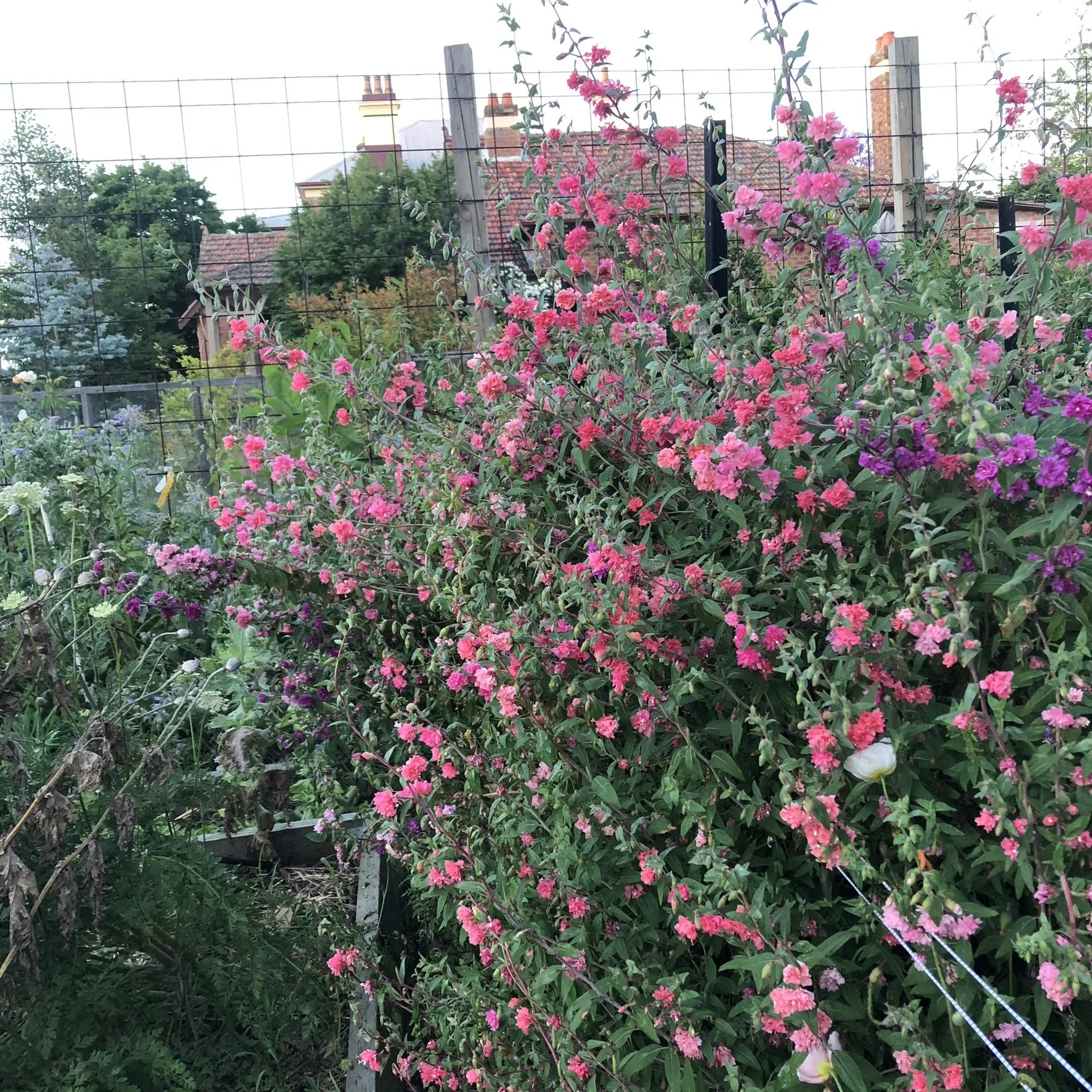
It's technically a spring sown annual - but "technically" is doing some work in that sentence, because I've grown it as an autumn sow. I put seed in the ground in mid-autumn my first year, not really knowing what I was doing and half-expecting to lose it to frost, and by early October it was an absolute showstopper. The next year I direct planted again with saved seed the only way I knew how (autumn) - same stunning results.
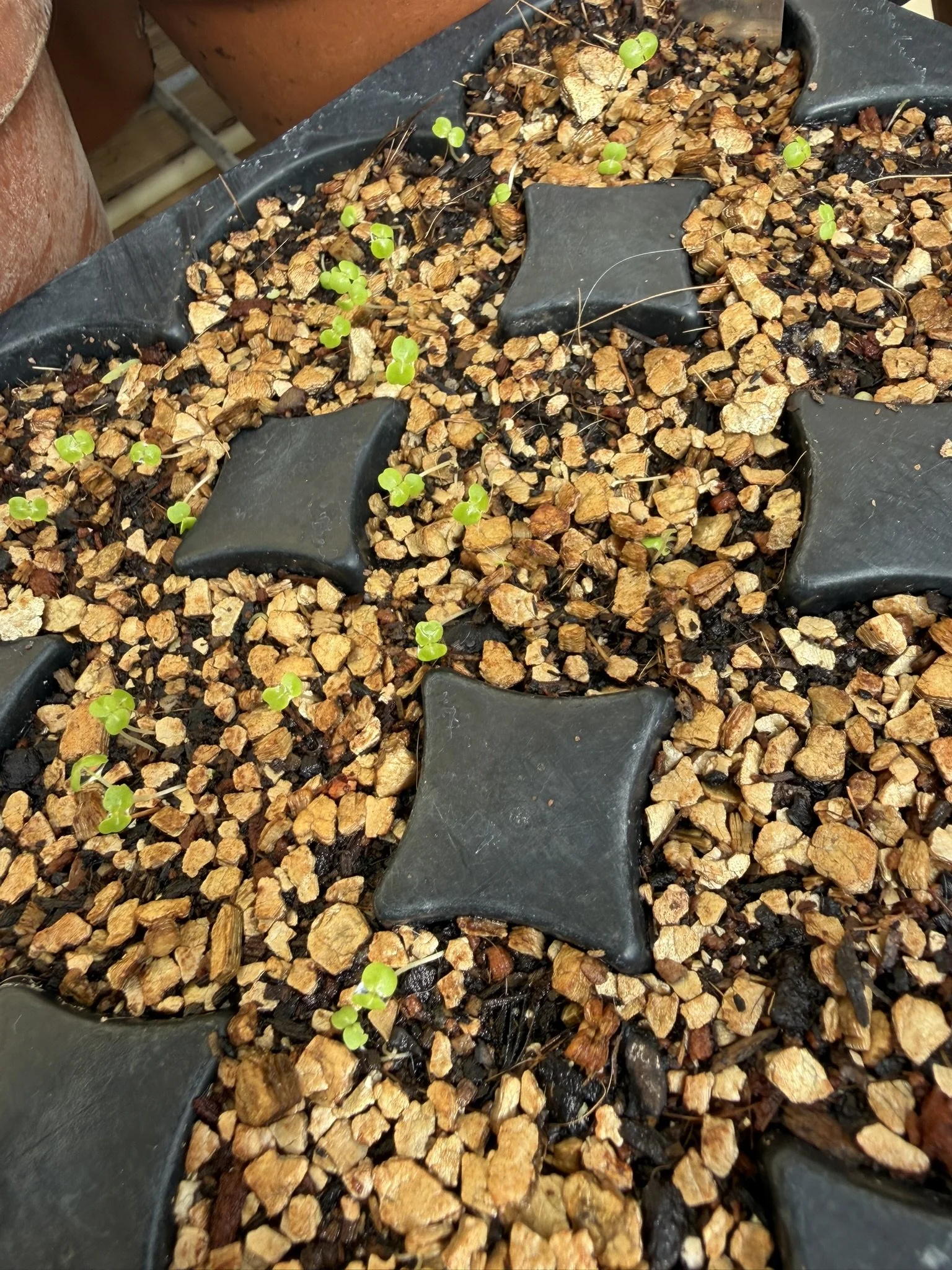
This year I'm doing it the ‘recommended’ way - seed raising now, hardening off, and planting out once the risk of late frost has passed.
Why it deserves a spot in your patch
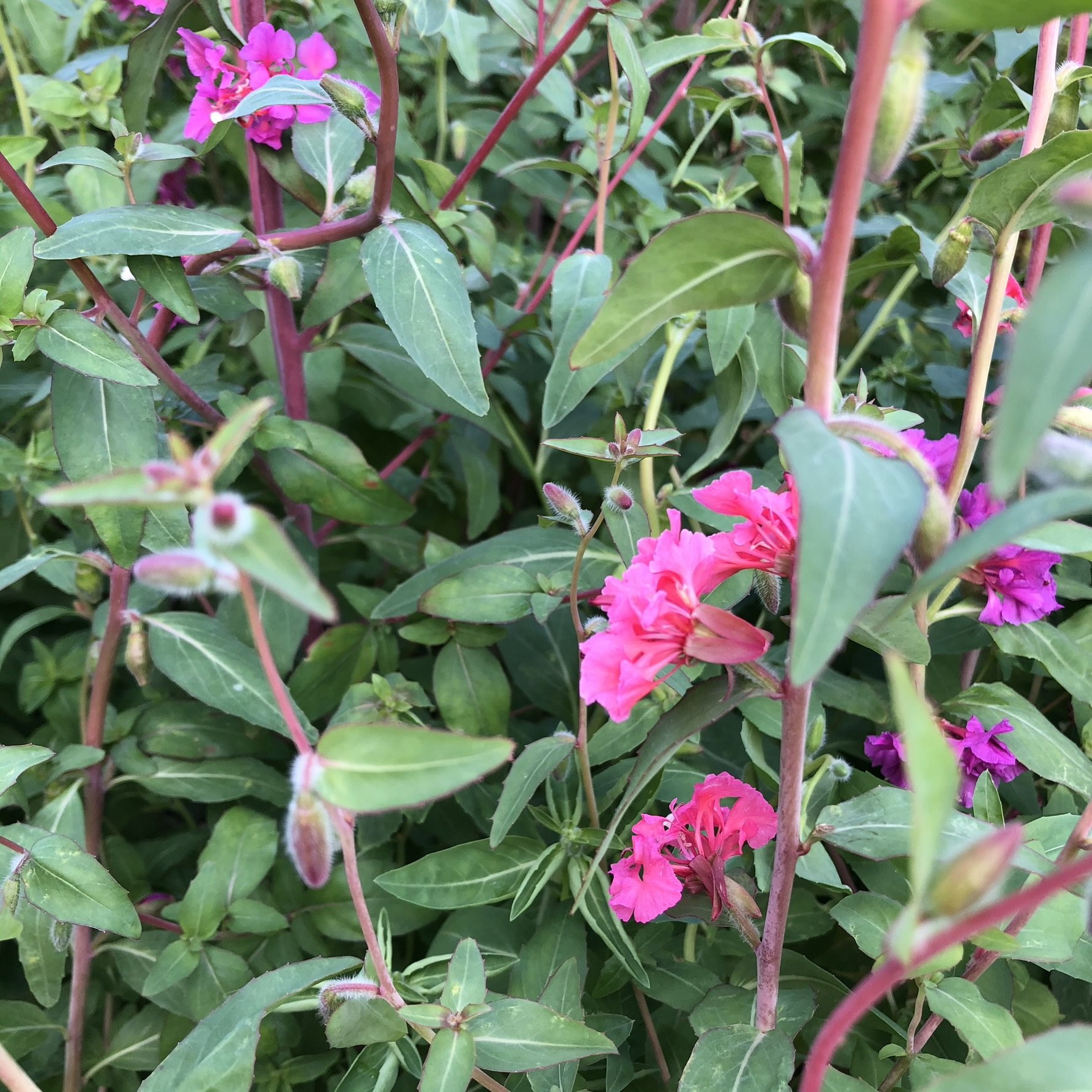
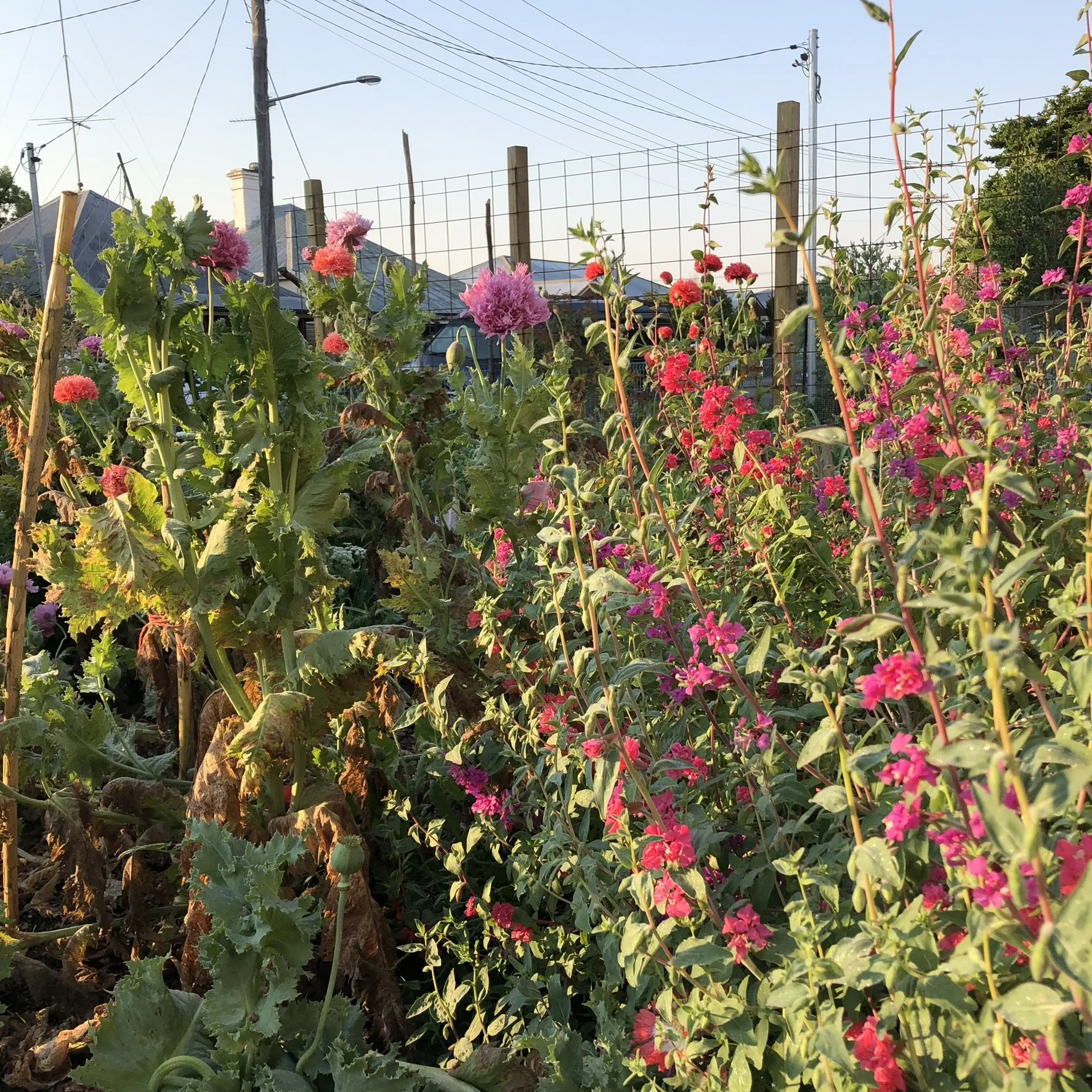
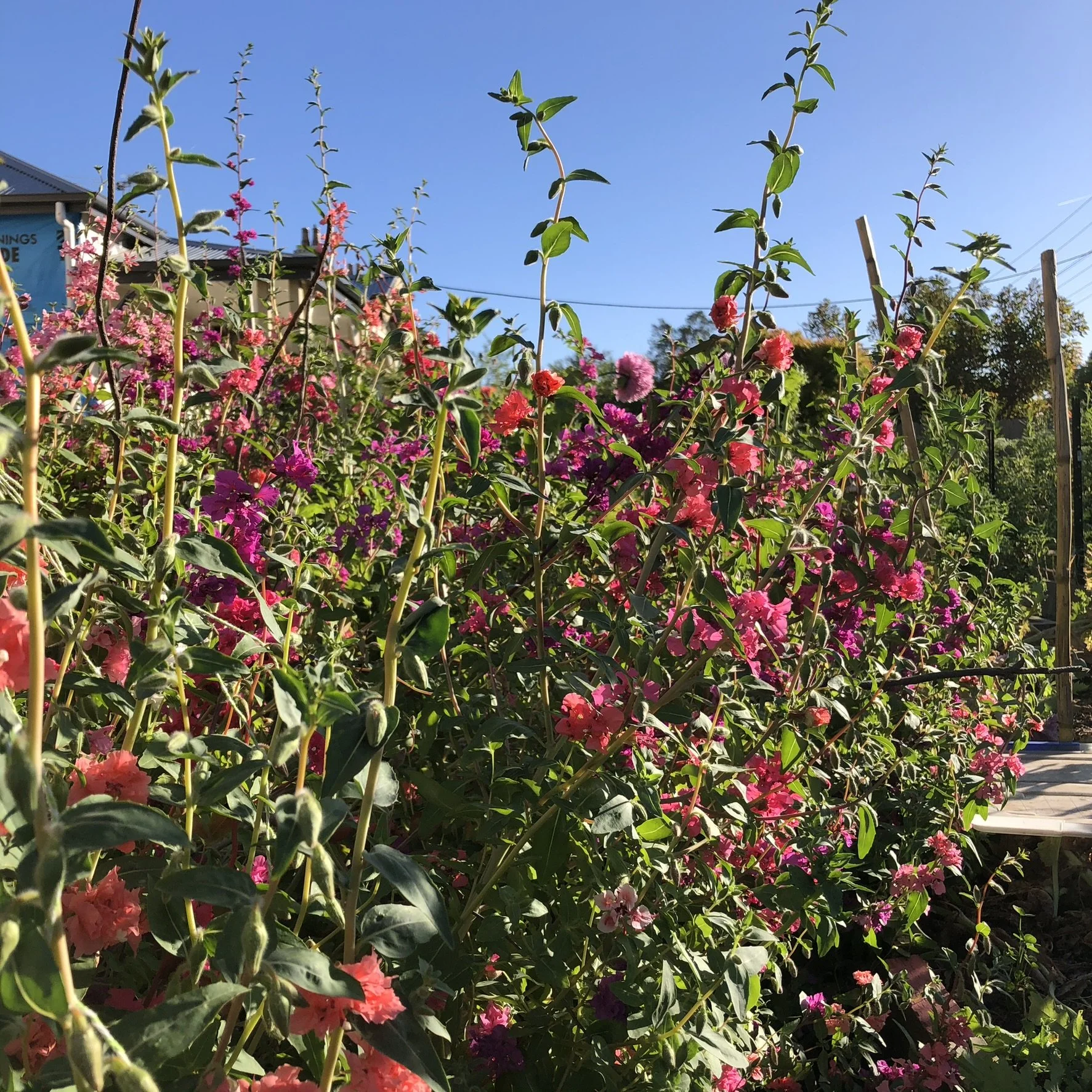
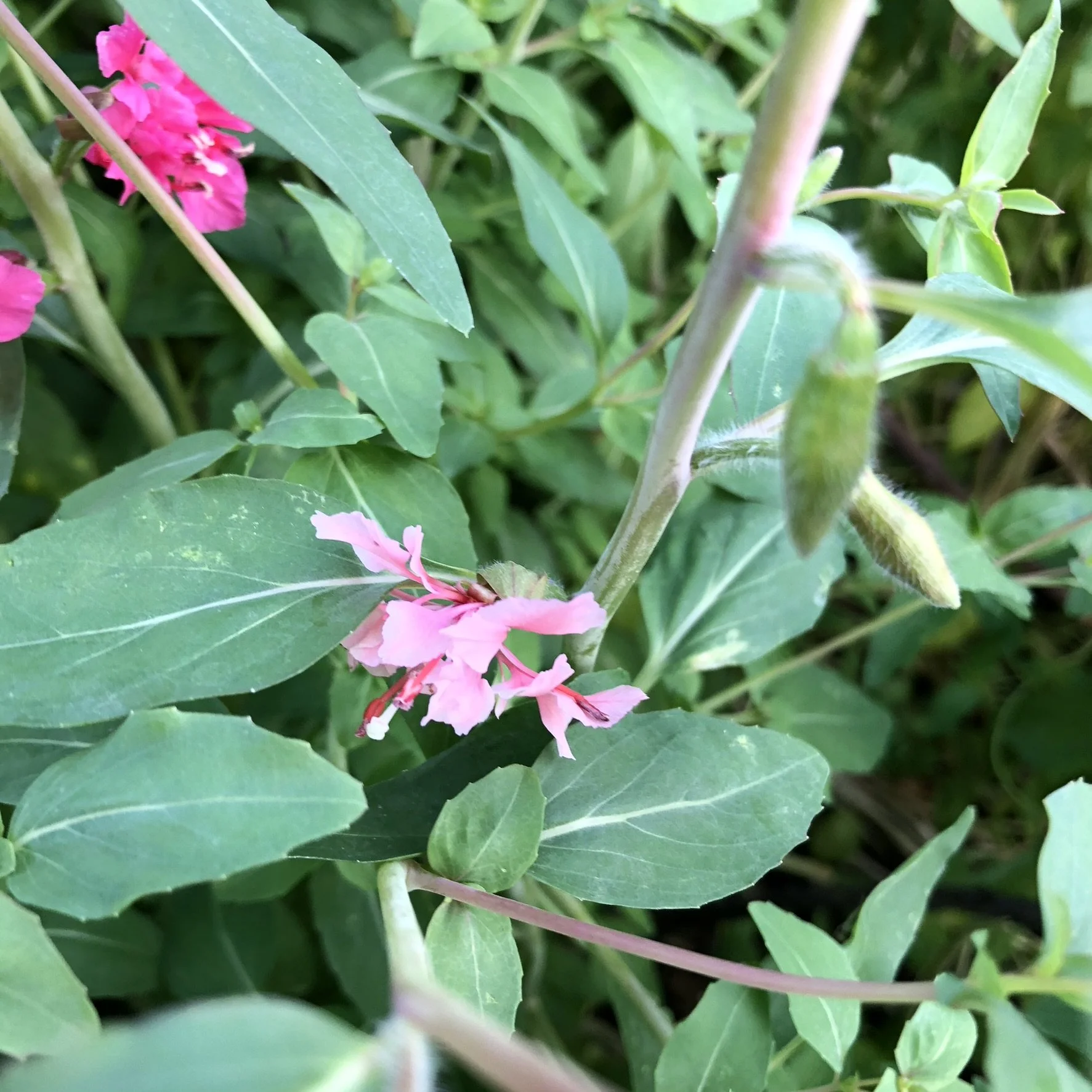
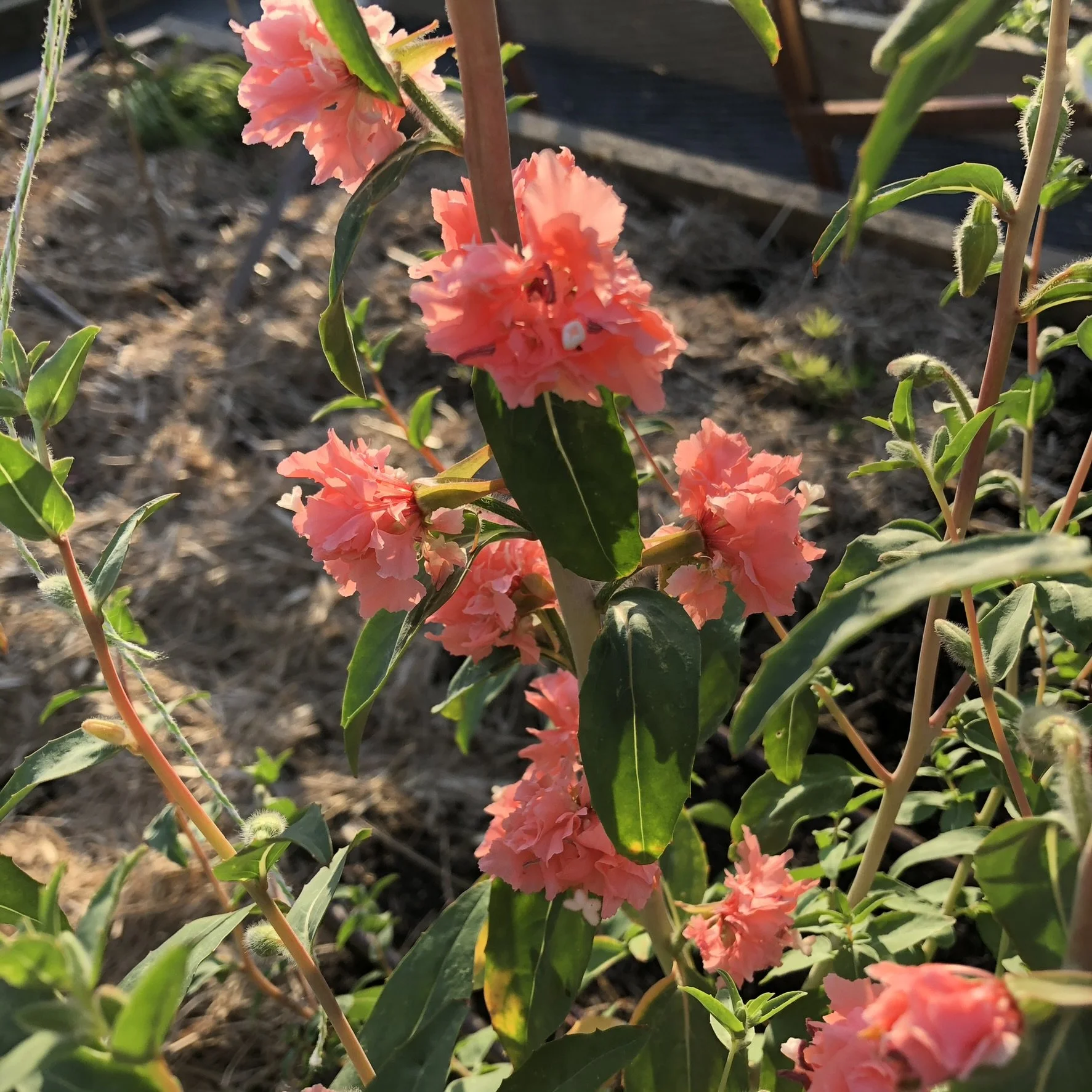
It's not scented - I'll be upfront about that - but what it lacks in perfume it makes up for in sheer drama. The blooms are smallish repeated frilly folded looking things - a little like crape myrtle flower - repeated up the length of the spine, and they come in the batch I had a beautiful colour range from soft blush through to deep magenta and white. It's a genuinely brilliant, long-lasting cut flower, a magnet for pollinators, and a showstopper in the garden.If your garden is starting to feel a bit predictable, this is the one to shake things up.
Quick Facts:
When? Direct in autumn or seed raise. Needs light to germinate, so don’t cover.
Where? Full sun, though it'll tolerate part shade - in my two years of growing these they had afternoon shade from midday.
Spacing: experts say 15-30cm, but would have been lucky to space mine 15cm at the most. I’ll be trying a wider spacing this year and report back on how this impacts,
Height: Tall - 80-120cm
Stem length: Up to a whopping 80cm, but can be cut shorter - making it genuinely useful range for arranging.
Vase life: fantastic - 7-10 days.
Soil: Not fussy - average, fairly well-drained soil.
Harvesting
For a LONG vase life, cut when the lowest set of blooms is just starting to open. The older flowers may drop off, but the unopened buds further up the stem will keep opening in the vase. It does mean every day is a floral surprise. I love the way these make big tall bunches - not many flowers do this and last more than a day (hollyhocks, looking at you).
On support
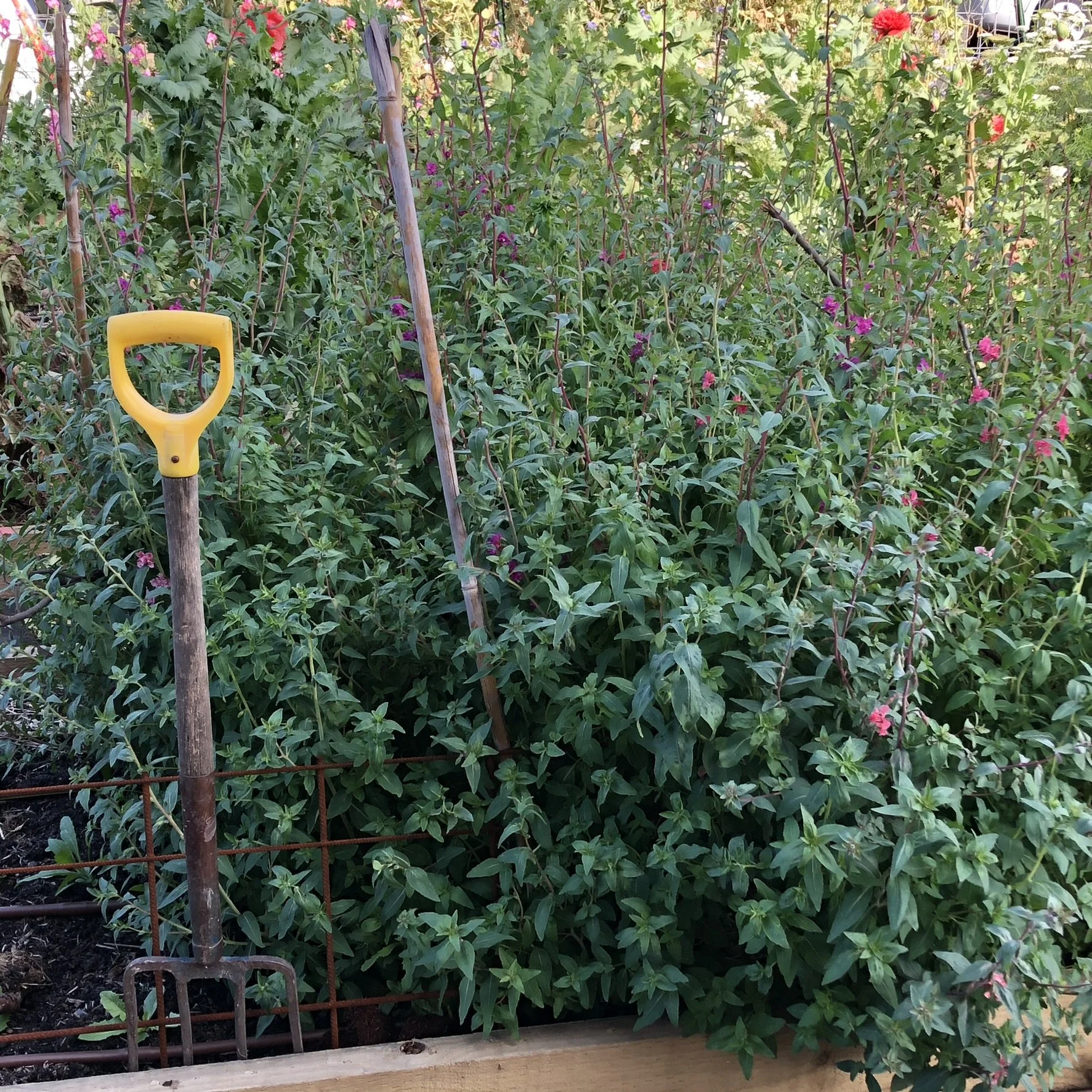
I see that some American sites suggest it benefits from a horizontal trellis. I don't bother - I corral mine instead, which does the same job of keeping these tall, slightly floppy stems upright without the fuss of weaving them through a grid. Use whatever you have - clarkia isn't precious about how it's held up, just that it is.
If you've got a spot that needs a bit of unexpected drama this season - and let's be honest, whose garden doesn't -clarkia might just be the one you've been looking for (you just didn’t know it).